
Electric Evolution: Unveiling the Fractal Paths of Life and the Universe
Electric Universe and Predictive Evolution: Fractals, Feedback Loops, and Plasma Cosmology with Slime Molds, Lichtenberg Figures, and Birkeland Currents

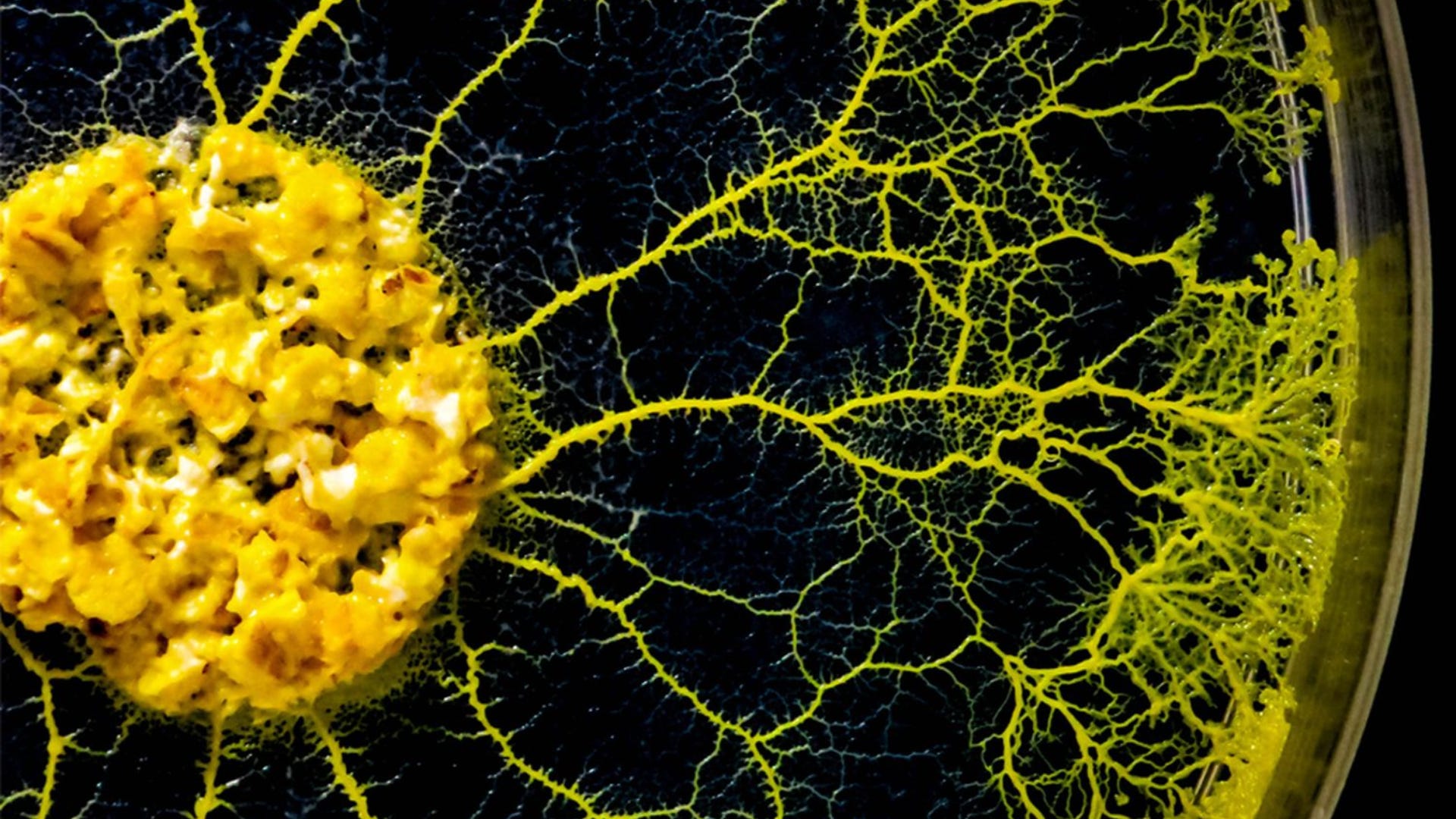
BLOB Growing Kit - Yellow Slime Mold - Physarum Polycephalum
Introduction: A Fractal Universe in Action
Imagine a universe where every system, from the microscopic slime mold to the grand cosmic web, follows the same fundamental principles of optimization, feedback loops, and fractal growth. This isn't just a whimsical analogy—this is the Electric Universe Theory (EUT) and Predictive Evolution Theory (PET) in action, both of which explain how electromagnetic forces, feedback, and information processing shape everything from the paths of lightning to the evolution of species and the formation of galaxies. In this post, we’ll dive into these theories, using the fascinating behavior of Physarum polycephalum, lightning, Lichtenberg figures, and the cosmic web as proof that the universe is an interconnected, self-organizing system driven by electricity and information.
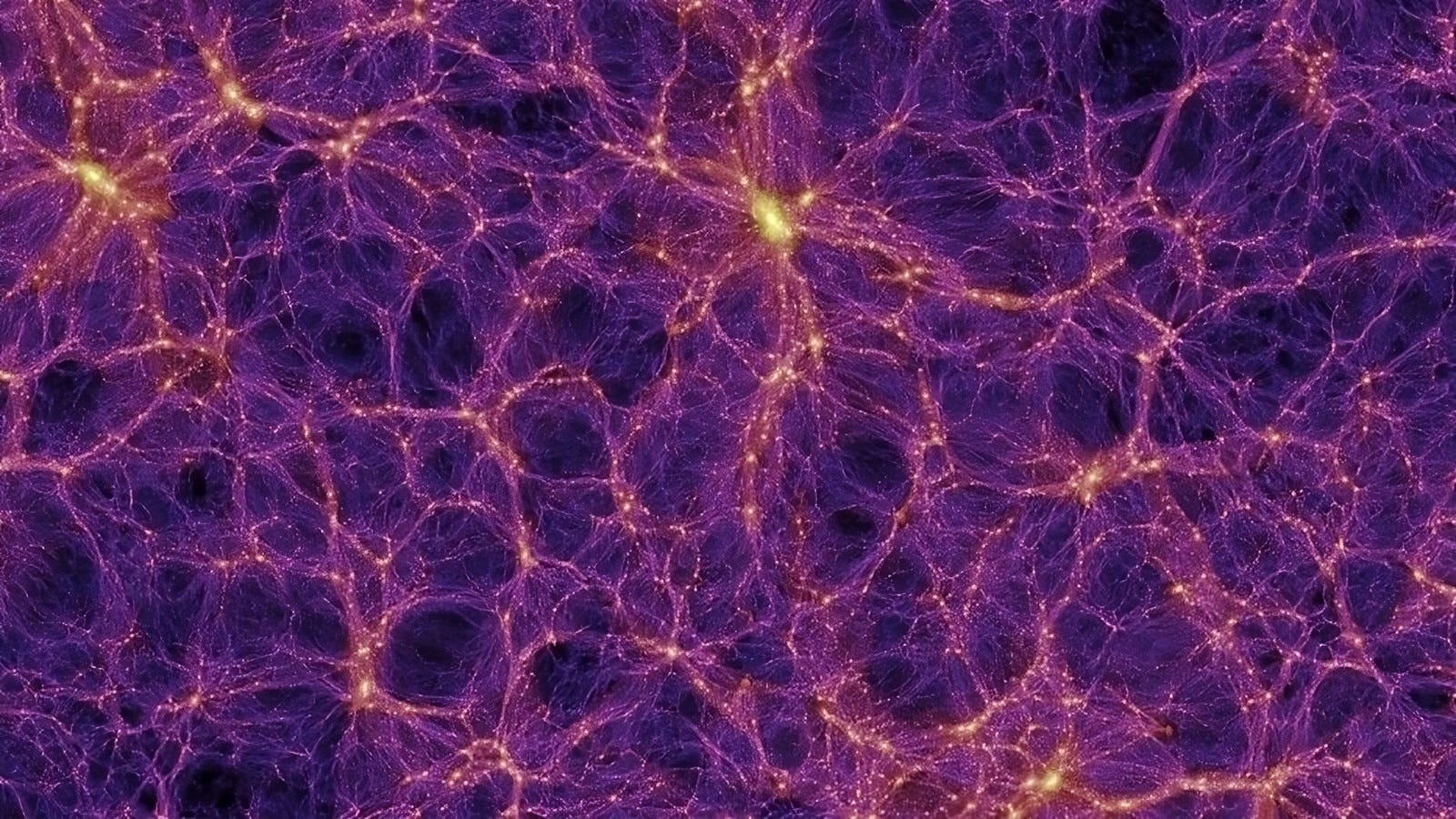
“A model of the cosmic web, showing luminous galaxies clustering where gas filaments meet.” Is the Universe a giant fractal? (Credit: ESA / Springel et al., Virgo Consortium)
What is the Electric Universe Theory (EUT)?
The Electric Universe Theory (EUT) proposes that electromagnetic forces—not gravity—are the dominant forces shaping the cosmos. According to EUT, the universe is an interconnected web of electric currents, specifically Birkeland currents, which form structures like galaxies, stars, and planetary systems. In this model, the Sun isn’t just a ball of nuclear fusion but an electric phenomenon, interacting with cosmic plasma via vast networks of electromagnetic filaments that shape the fabric of space-time.
In EUT, plasma cosmology takes center stage, explaining that plasma (ionized gas) is the most common state of matter in the universe and plays a crucial role in the formation of galaxies, stars, and even life itself. This interconnectedness, this electric web, isn't just a cosmic feature but a fractal pattern that repeats across scales.
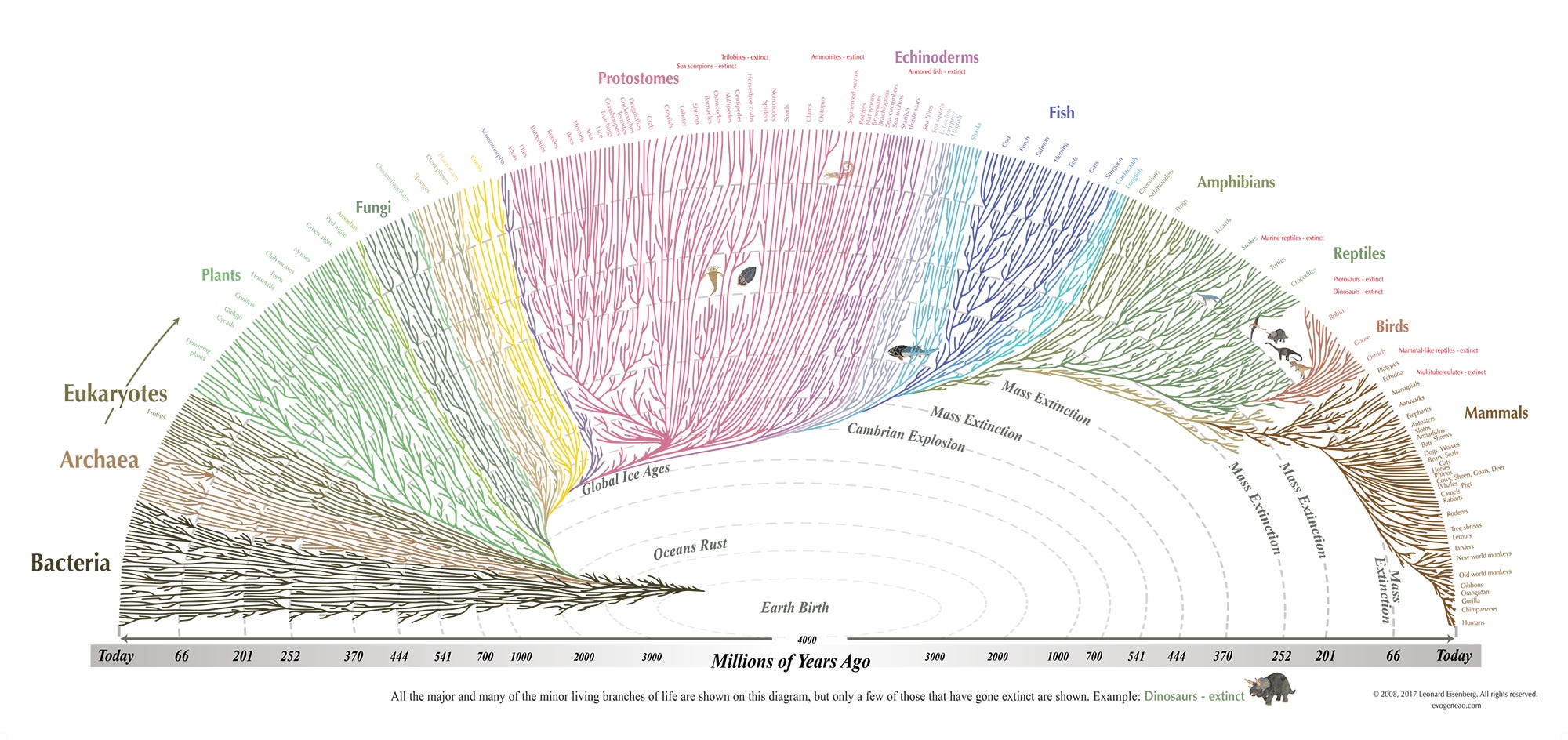
“The Evogeneao Tree of Life diagram, and the generation counting technique used herein, was inspired by Dr. Richard Dawkins’ wonderful book The Ancestor's Tale.” The Tree of Life. (Credit: Evogeneao)
What is Predictive Evolution Theory (PET)?
Predictive Evolution Theory (PET) builds on the idea that organisms adapt not through random mutations but by "predicting" changes in their environment. Electromagnetic fields from the Sun, Earth, and the broader cosmos provide constant feedback to the DNA of organisms, which resonates with these fields to produce various adaptations. Like a slime mold sensing food or a lightning bolt seeking the most efficient discharge path, organisms evolve through feedback loops in the environment, creating a dynamic flow of energy and information between the organism and its surroundings.
PET argues that information reservoirs—be they the electromagnetic biofields generated by Earth, the Sun’s influence, or the global ecosystem—act as guides for evolutionary change, with organisms "learning" from this environmental information to produce multiple variants, adapting to what is most likely to benefit them in the near future.
How a Slime Mold designed the Tokyo Railway System. (Credit: Marcus Werner)
Physarum Polycephalum: A Living Example of Optimization
At the heart of our exploration is Physarum polycephalum, a remarkable slime mold capable of solving complex problems and optimizing its pathfinding in a maze. When placed in a petri dish with oat flakes (food sources) arranged in a specific pattern, this single-celled organism exhibits behaviors remarkably similar to an optimized, intelligent system.
In one iconic experiment, researchers arranged oat flakes in a pattern similar to the Tokyo rail system. In response, Physarum polycephalum grew a network of interconnected tubes, mimicking the actual rail system. After just a day, the slime mold had optimized its network, creating the shortest and most efficient paths to the food sources, all without a central brain or decision-making process.
This behavior is not random—the slime mold continuously adjusts its growth based on environmental feedback (food location), testing various paths and "predicting" the most efficient route. This is analogous to how evolutionary processes may work, where organisms respond to environmental signals, optimizing their physical traits or behaviors based on the information they receive from electromagnetic fields and the feedback loops of nature.
Fractal Growth and Information Feedback: The Electric Universe and Evolution
Both EUT and PET highlight the fractal nature of the universe. Just as Physarum polycephalum creates branching patterns that optimize its growth, so too do larger systems—from lightning strikes to the cosmic web—form fractal patterns. These patterns arise through feedback loops and the principle of least resistance.
Lichtenberg Figures: When a high-voltage electrical discharge passes through a dielectric material, it leaves behind a branching, fractal pattern known as a Lichtenberg figure. This phenomenon can be seen as an analogy for lightning, where electric currents follow the most efficient paths through the atmosphere, forming intricate patterns. Similarly, the cosmic web forms as matter and energy "find their way" through space, clustering into filaments at points of least resistance.
Birkeland Currents: The cosmic web itself is composed of vast electromagnetic currents, Birkeland currents, that connect galaxies, stars, and planetary systems. These currents are responsible for shaping the large-scale structure of the universe, much like the feedback loops that shape biological evolution. Just as a slime mold forms a path to food based on feedback, so too does the universe form its structure through feedback and optimization, driven by electromagnetic forces.
Path Optimization and Predictive Evolution: Just as a lightning bolt forms a fractal-like discharge path, Physarum polycephalum optimizes its growth paths, and the cosmic web arranges matter into filaments, evolution can be seen as a process of continuous optimization. DNA, influenced by electromagnetic fields, "predicts" environmental changes and adjusts, creating variants that respond to emerging challenges, just as the slime mold adapts its growth based on environmental feedback.
The Role of Electromagnetic Fields in Evolution
The feedback loop between organisms and their electromagnetic environment is central to PET. The electromagnetic biofields from the Earth, the Sun, and even cosmic radiation influence evolutionary paths by providing information to DNA. Just like Physarum polycephalum adjusts its growth based on the feedback it receives from its environment, organisms on Earth adjust to changes in electromagnetic fields—whether it's the changing solar activity, the Earth’s magnetic field, or the bioelectric fields of the environment.
These electromagnetic fields act as information reservoirs, supplying the necessary data for evolutionary "predictions." As organisms receive signals from these fields, they create multiple variants, some of which are better suited to the environment than others. Over time, those successful variants "survive" while others fade, forming the backbone of evolutionary change.
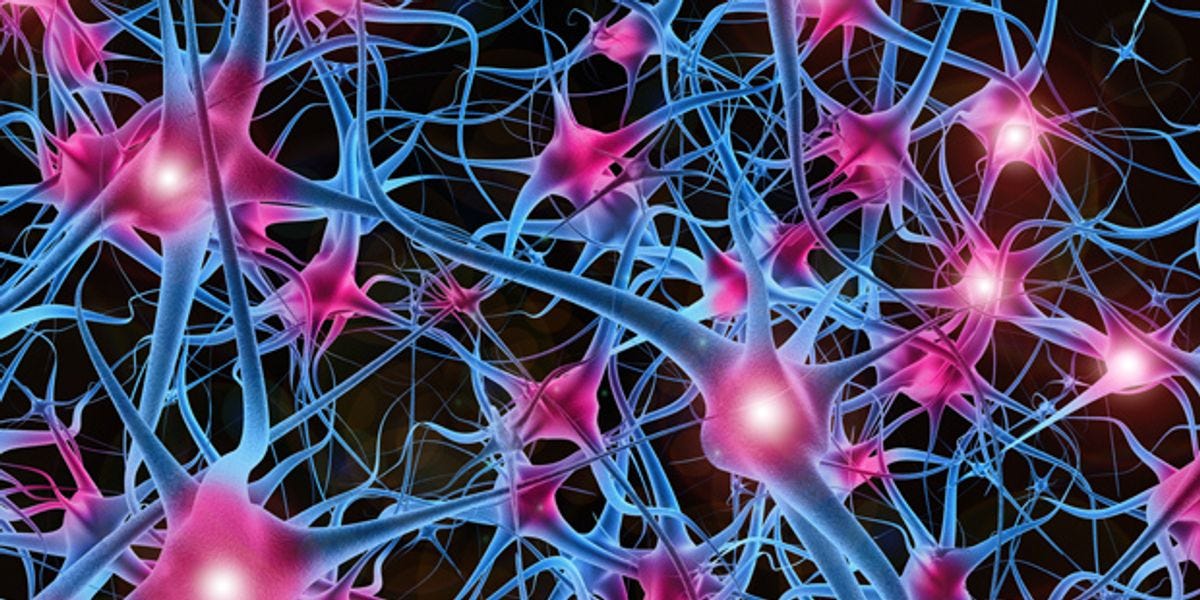
“Digital Reasoning has trained a record-breaking artificial intelligence neural network that is 14 times larger than Google's previous record” Biggest Neural Network Ever Pushes AI Deep Learning. (Credit: IEEE, Spectrum)
Slime Mold, Neural Networks, and the Fractal Logic of Electricity
The human brain, slime molds, and electric currents share a unifying principle: optimizing information flow through feedback loops and fractal patterns. Neural networks process data via electrical impulses, strengthening efficient pathways much like Physarum polycephalum, which adapts its protoplasmic tubes to find optimal routes. Both systems mimic electricity's path of least resistance, seen in Lichtenberg figures and lightning. These similarities suggest a universal law of self-organization: from neurons to slime molds to the cosmic web, fractal optimization governs the flow of energy and information, reinforcing the Electric Universe Theory and Predictive Evolution Theory as models of interconnected natural design.
The parallels between slime molds, fractal theory, neural networks, and the principles underlying the Electric Universe and Predictive Evolution Theories offer profound implications for artificial intelligence. AI systems, particularly neural networks, could be designed to mimic the self-organizing, adaptive behavior of Physarum polycephalum, using fractal patterns and dynamic feedback loops to optimize data processing and decision-making. By integrating information theory and electromagnetic principles, AI might better predict and adapt to environmental changes, resembling the fractal efficiency seen in biological and cosmic systems. Such advancements could lead to AI architectures that are not only more efficient but also more intuitive and resilient.
Bringing It All Together: A Unified View of the Universe and Life
When we scale this analogy from slime molds to lightning, and from there to the cosmic web, we see a profound connection: all of these systems are self-organizing networks that are optimized through electromagnetic feedback. Whether it’s the pathfinding slime mold, the discharge of a lightning bolt, or the formation of galaxies, these systems behave according to the same principles of optimization, feedback loops, and fractal growth.
In the Electric Universe, the universe itself behaves like Physarum polycephalum—it forms networks and structures based on electromagnetic feedback and optimization. Life, too, follows these same principles through Predictive Evolution Theory, where organisms respond to environmental electromagnetic signals, evolving in ways that ensure their survival in the ever-changing cosmic dance.
Conclusion: A New Perspective on Life and the Cosmos
By embracing the Electric Universe Theory and Predictive Evolution Theory, we open up a new way of thinking about the universe. Life is not a series of random, chance events but a deeply connected system driven by electromagnetic forces and information feedback. The slime mold, lightning, and the cosmic web all share the same underlying principles of optimization, fractal growth, and information exchange. These principles shape the cosmos, our evolution, and our place in this electric universe.
References:
Springel, V., et al. (2005). "The large-scale structure of the universe." ESA/European Space Agency.
Swinney, H.L., & Gollub, J.P. (1985). "The nature of chaotic behavior." Scientific American.
*Tero, A., et al. (2010). "Mathematical model of morphological changes in the growth of the slime mold Physarum polycephalum." Proceedings of the National Academy of Sciences.
Birkeland, K. (1913). "The Norwegian Aurora Polaris Expedition, 1902-1903." Report of the Norwegian Polar Expedition.
*Beck, C., & Eccles, D. (2004). "Electric fields and biological systems." Bioelectromagnetics.
